
Islamic stories
The People of the Cave: A Story of Faith and Courage
Follow the young friends who seek refuge in a cave and awaken centuries later in this retelling of the Qur’anic story, with lessons about faith and friendship.
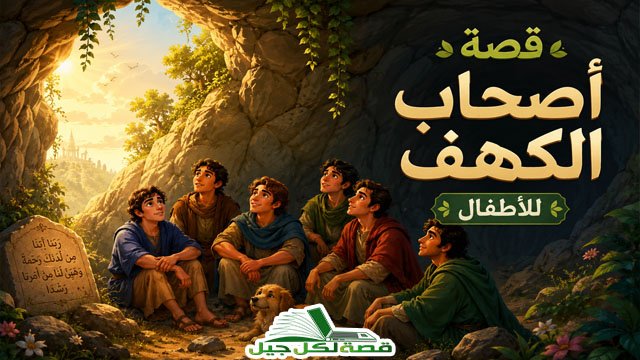
Dear young readers, have you ever felt afraid, then found comfort in remembering God? Today's story, The People of the Cave, follows a group of young friends who face a difficult test of faith. This retelling of the Qur'anic story explores courage, companionship, and trust.
The People of the Cave
Long ago, in a city of palaces and trees, a harsh ruler ordered everyone to bow before stone idols that could neither hear nor see. He punished those who refused.
But a small group of young friends thought differently. Looking at the sky, the sun, and the trees, they said to one another, “These lifeless stones could not have created such a wonderful universe. There must be one great and powerful God who created it all.”
They kept their faith secret and met to worship God alone, supporting and caring for one another.
One day, the ruler learned about them. He summoned the young believers, threatened them, and ordered them to abandon their faith and bow to the idols or face severe punishment.
Did they abandon their belief? No. They stood firm and made a difficult decision: they would leave their warm homes, families, and comfortable beds to seek safety for their faith. “God will not abandon us,” one said. “He will provide a way through this.”
Under cover of darkness, they slipped out of the city. Along the lonely road, a faithful companion joined them: a brave dog that followed and stayed by their side.
After a long, tiring walk, they reached a mountain and found a cave. A cave might usually seem frightening, but to them it offered more freedom and comfort than the unjust ruler's palaces.
Exhausted, they sat down and prayed humbly: “Our Lord, grant us mercy from You, and guide us toward the right course in our situation.” This is an English rendering of their prayer in Surah Al-Kahf, verse 10: a plea for mercy, protection, and sound guidance.
Then came the remarkable sign. God answered them with a deep, peaceful sleep. Their faithful dog lay at the cave's entrance with its forelegs stretched out.
The Qur'anic account describes the sun passing to the side of their cave and the sleepers being turned from side to side. They remained under God's care.
Days, months, and years passed. They slept for three hundred years, with nine more added: three hundred and nine years. In this retelling, they remained preserved through that astonishing span of time.
When God awakened them, they opened their eyes and looked at one another. “How long have we stayed here?” they asked. “Perhaps a day, or part of a day,” one answered.
They were hungry, so they took out their old silver coins and sent one of their number to buy good food. He was to go carefully, for they still feared the ruler's soldiers.
When he reached the city, he was astonished. The streets, houses, and people had changed. He offered a silver coin for bread, and the seller exclaimed, “Where did you get such an ancient coin? Have you discovered a treasure?”
People gathered, and the young man learned the extraordinary truth: hundreds of years had passed. The cruel ruler was long dead, and the people now worshipped God openly and peacefully.
They learned the young friends' story and rejoiced. The account became a sign of God's power to preserve life and raise the dead.
The retelling ends with the young men resting in peace after learning that their faith was safe. The people discussed their memorial, and the Qur'an recounts that those whose view prevailed proposed a place of worship at the site. Their story remained a lasting remembrance of faith and courage.
Read next: The People of the Elephant.
Lessons from The People of the Cave
- Trust in God. The young friends seek God's care while remaining faithful through danger.
- The importance of prayer. When afraid, they ask for mercy and guidance, and their cave becomes a place of refuge.
- Real courage includes moral courage. Strength is not only physical. It can mean refusing to do what one believes is wrong, even under pressure.
- Choose good companions. The friends support one another, and even their faithful dog is remembered in the Qur'anic account. The story invites reflection on the influence of those around us.