
Islamic stories
The Hairdresser of Pharaoh’s Daughter: A Traditional Faith Story
Read a traditional account of Pharaoh’s daughter’s hairdresser and her steadfast faith. This retelling includes death and violence and invites adult guidance.
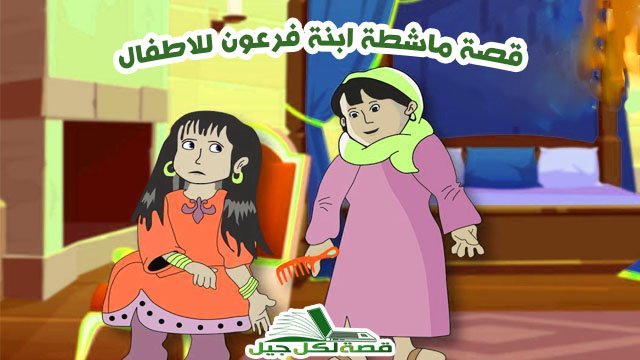
Today at Qissaflow, we turn to a traditional account set in the time of Prophet Musa, or Moses, peace be upon him. It concerns Pharaoh, a cruel ruler who claimed divine authority and punished those who opposed him. This religious retelling includes the deaths of children and their mother; adults may wish to read it before deciding how to share it with young listeners.
The Hairdresser of Pharaoh's Daughter
One day, the woman who cared for Pharaoh's daughter's hair was combing it as usual. The girl loved her father dearly. When the comb slipped from the woman's hand, she said, “In the name of God.” Thinking she meant Pharaoh, the girl smiled. “Do you mean my father?” she asked.
The hairdresser feared that answering would reveal her faith. But she also wondered whether the moment might help the girl believe, as Asiyah bint Muzahim did in the traditional account.
With confidence, she answered, “No. I mean God, Lord of all worlds: my Lord, your Lord, and the Lord of your father, Pharaoh.” “Is there a lord other than my father?” the girl asked. “Yes, the Lord of everyone,” the woman said.
Angry, the girl told her father that the hairdresser worshipped someone other than him, believed the message of Musa, and rejected Pharaoh's claim to be lord of the world.
Pharaoh was furious and ordered his soldiers to bring her before him. “Is it true that you believe in a lord other than me?” he demanded. “Yes,” she replied firmly. “I believe in the Lord of all worlds, the Lord of us all.”
He ordered her to take back her words and recognize him alone as her lord. She refused and remained steadfast.
His anger grew. He could not tolerate a member of his household refusing his orders and decided to punish her severely as a warning to others.
He ordered a huge vessel to be brought. Some versions of the traditional narrative describe it as hollow copper. It was filled with oil and heated over a fire until it boiled.
Pharaoh demanded that she abandon her faith and the religion of Musa or be killed. When she refused, he tried to increase the pressure by having her five children brought in. “Unless you give up your faith, I shall throw your children into the oil, one after another,” he threatened. Still she refused.
He could not understand her resolve. How could a mother resist when he threatened her children and her own life? He ordered her first child thrown into the vessel, where the child was killed.
The hairdresser endured a terrible ordeal but did not renounce her belief. In the story, she hopes for Paradise and remains committed to what she believes is true. Pharaoh orders the children killed one by one, repeating his demand each time. Each time she answers, “My Lord and yours is God, the Lord and Owner of everything.”
Her replies only anger him further. When he reaches the fifth child, a nursing infant, the mother's heart falters with grief. Pharaoh thinks she may finally give in.
Then, in the traditional telling, the baby speaks: “Mother, be steadfast. You are following the truth.” The words reassure her and are remembered as a miraculous sign.
The Arabic retelling groups this child with other infants said to have spoken: the witness in Yusuf's story, the child connected with the devout Jurayj, and Prophet Isa, peace be upon him. These details belong to the religious narratives being retold here.
“My Lord and yours is God,” the woman says again. Pharaoh orders her and the infant killed in the boiling oil. Their story is remembered across generations as an account of suffering, faith, and steadfastness.
Thank you for reading this retelling of The Hairdresser of Pharaoh's Daughter. You can explore other Islamic stories on the site and share which accounts you would like to read next.
Themes and Lessons in This Traditional Account
- Patience and commitment to faith amid severe hardship.
- The Islamic hope of Paradise and reward in the life to come.
- A mother's deep love for her children and the terrible conflict created by a tyrant's cruelty.
- The belief that wrongdoing does not escape God's judgment, even when its consequences are delayed.
- The courage of a believing woman who refuses to submit to a tyrant's claims.
- The belief that God's power exceeds a ruler's power, however absolute that ruler appears.
- The way an account of steadfastness can remain an example for later generations.
- The speaking infant as a miraculous sign within the traditional narrative.
- The sacrifices associated with upholding and sharing one's faith in the story.
- The idea of remaining true to belief when faced with a test.